Explore / 07
Chinese herbal
Explore packaged teas through ingredients, flavor, preparation and label clarity. Traditional context belongs in the story; medical promises and self-diagnosis do not.
Start here
Chinese herbal teas, in a modern daily ritual
Modern packaging, traditional context and a clear boundary between tea and treatment.
Read the full guide ↗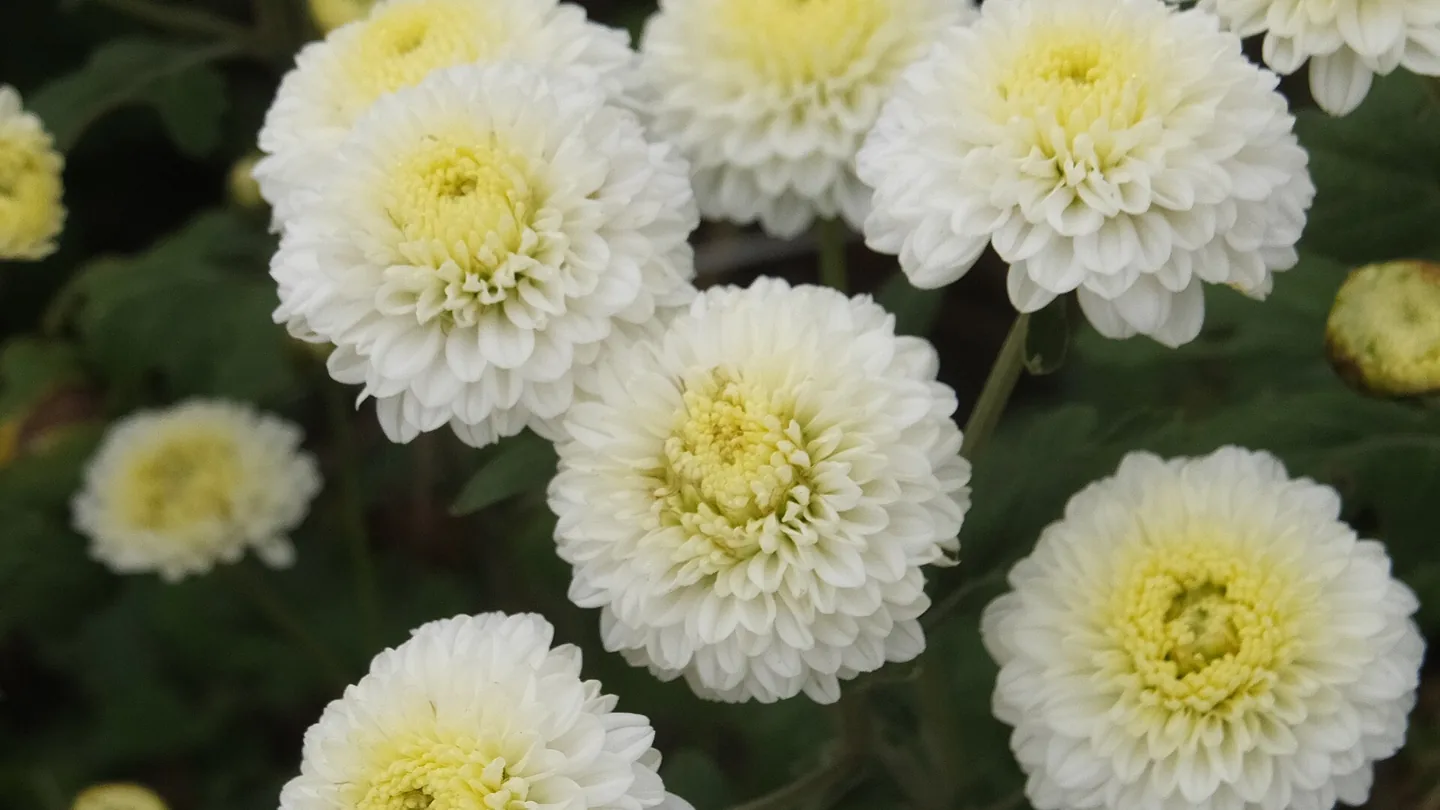
Chrysanthemum · hangjuFlowers, berries and a teapot: a ritual, not a remedy
East meets West · the research
Research from Asia on this topic
Studies published in Japanese, Korean, Malaysian, Chinese and TCM journals, read with the same care as our other sources. Some were published in Japanese, Korean, Chinese or Malay; we show the original title and an English translation, and summarise them in plain English. We note small samples, animal studies and company-run trials. These summaries describe what was studied; they are not promises of results for you.
- China · TCM
Chen J. (2023). Essential role of medicine and food homology in health and wellness. Chinese Herbal Medicines (China).
In plain English: An editorial from China's National Center for Food Safety Risk Assessment explaining "medicine and food homology", the TCM idea that some herbs are also everyday foods, and China's official list of such substances. A viewpoint piece, not a trial.
- Korea
Zhang L, Chen X, Cheng Y, et al. (2019). Safety and antifatigue effect of Korean Red Ginseng: a randomized, double-blind, and placebo-controlled clinical trial. Journal of Ginseng Research (Korea).
In plain English: A 4-week randomized, placebo-controlled trial in 180 Chinese adults that tested the traditional worry that red ginseng causes internal "heat" (fireness); TCM heat-symptom scores did not change versus placebo and no clinically important safety problems were seen. A neat example of testing a traditional idea with modern methods.
- Malaysia / SE Asia
Saw JT, Bahari MB, Ang HH, et al. (2006). Herbal use amongst multiethnic medical patients in Penang Hospital: pattern and perceptions. Medical Journal of Malaysia (Malaysia).
In plain English: A survey of 250 patients at Penang Hospital; about two-thirds used herbal products alongside conventional medicine, mostly for general health, and over 90% had not told their doctor. A clear reason to mention herbal teas and tonics to your doctor.
Each record was checked against PubMed, J-STAGE, KoreaScience or the DOI registry on 14–15 November 2026. Translations are Open Leaf’s own; please check the original for exact wording. Not medical advice.