Guides for you

Gym & Fitness

Strong basics beat a crowded shelf.

For gym regulars and fitness lovers who want to know what really matters: protein, creatine, training consistency, smart caffeine and which counter products to skip. East Asian foods such as tofu and green tea have a place too.

Written for: Lifters, class-goers, home-workout fans and new gym members.

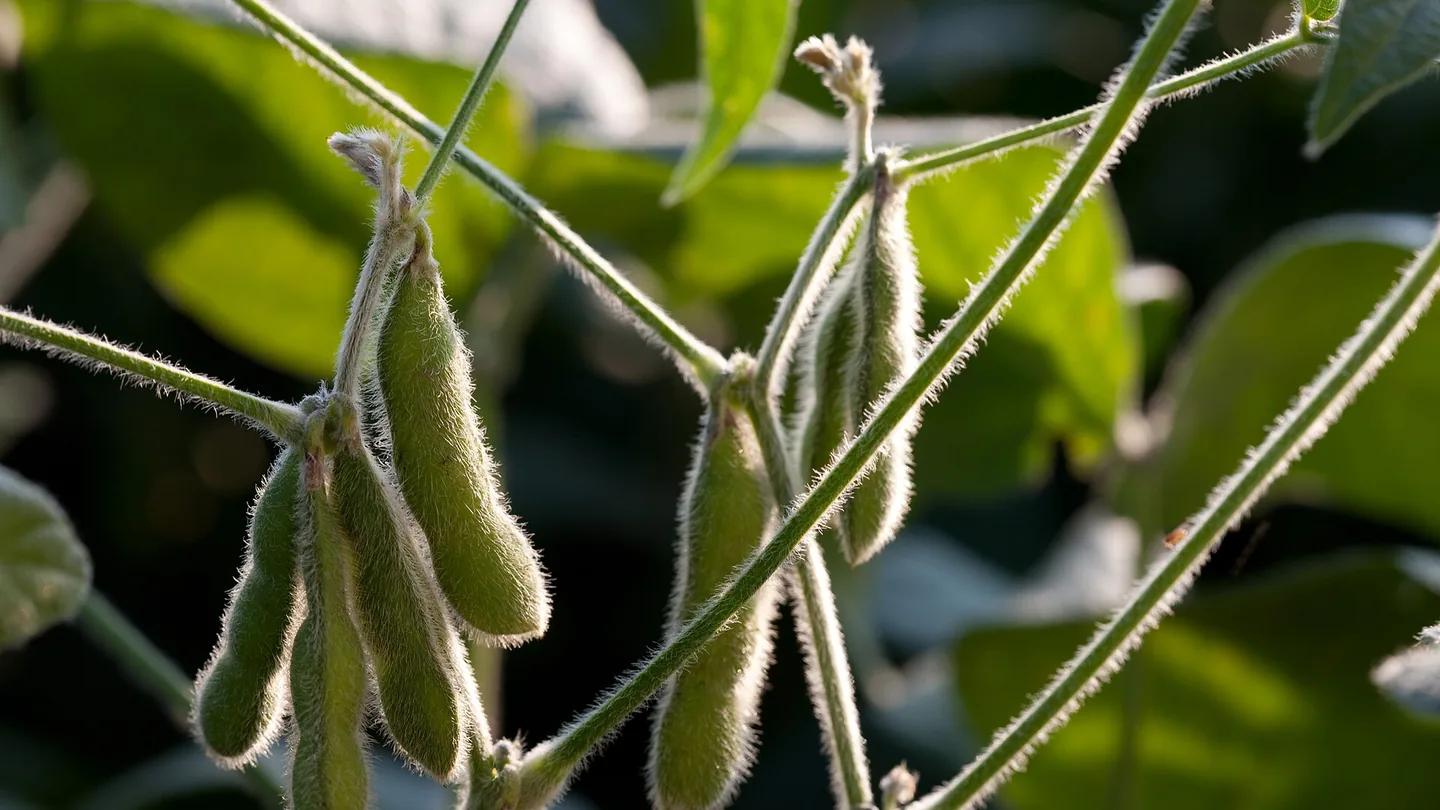
Fuzzy green soybean pods hanging on the plant in a field (photo: United Soybean Board, CC BY 2.0)

SoybeanFrom soybean to golden root: gym basics, East meets West

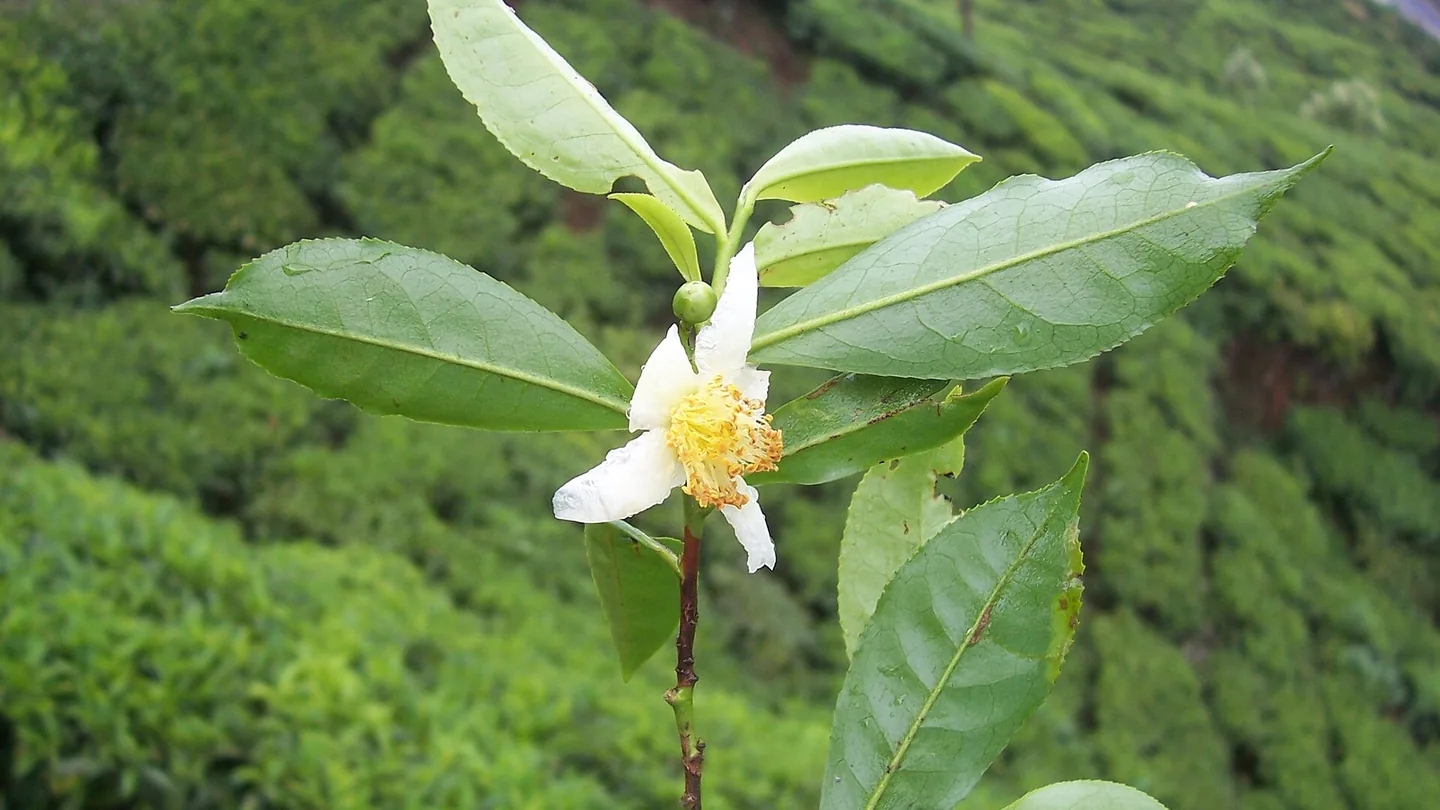
A white tea flower and fresh leaves on a tea bush above the rows of a hillside tea plantation (photo: Paul Munhoven, CC BY-SA 3.0)

Tea plant · green teaFrom soybean to golden root: gym basics, East meets West

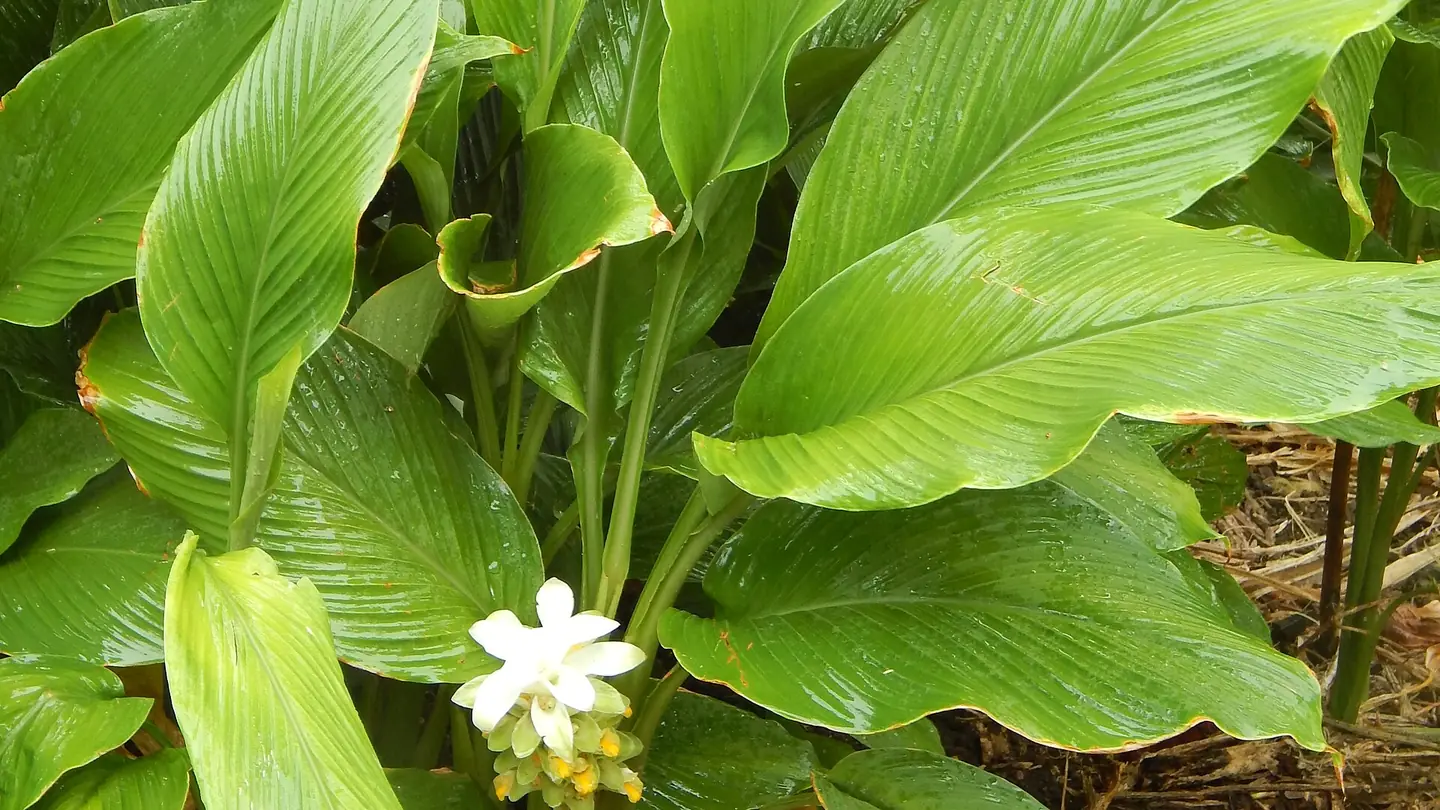
Turmeric plants with broad leaves and a pale flower spike growing outdoors in Maui, Hawaii (photo: Forest and Kim Starr, CC BY 3.0 US)

TurmericFrom soybean to golden root: gym basics, East meets West

East meets West guides

Start here.

5 in-depth guides · every one with sources and safety notes

East meets West · the research

Research from Asia for Gym & Fitness

A selection of studies from Japanese, Korean, Malaysian, Chinese and TCM journals behind the guides on this page. Each guide lists its own Asian research in full, with plain-English summaries and the limits of each study.

  • Asia-Pacific

    Nobre AC, Rao A, Owen GN. (2008). L-theanine, a natural constituent in tea, and its effect on mental state. Asia Pacific Journal of Clinical Nutrition (Asia-Pacific regional).

    In plain English: Two small placebo-controlled studies in healthy young adults found that 50 mg of L-theanine, roughly the amount in a few cups of tea, increased alpha brain-wave activity linked with relaxed alertness. Brain-wave changes are not the same as proven stress relief.

  • Korea

    Lim IS. (2024). Effects of supplement L-theanine on cognitive anxiety, salivary alpha-amylase, and cortisol in archery competition. Physical Activity and Nutrition (Korea).

    In plain English: A small Korean study of 18 college archers at a national competition; those given L-theanine reported less pre-competition anxiety and had lower saliva stress markers than a placebo group. Very small sample in a single event.

  • Japan

    Unno K, Noda S, Kawasaki Y, et al. (2017). Ingestion of green tea with lowered caffeine improves sleep quality of the elderly via suppression of stress. Journal of Clinical Biochemistry and Nutrition (Japan).

    In plain English: A very small Japanese study (10 older adults, average age 89) in which switching from standard to low-caffeine green tea for two weeks was linked with a lower morning stress marker and, in some people, better sleep measures. No placebo group; hypothesis-generating only.

  • China · TCM

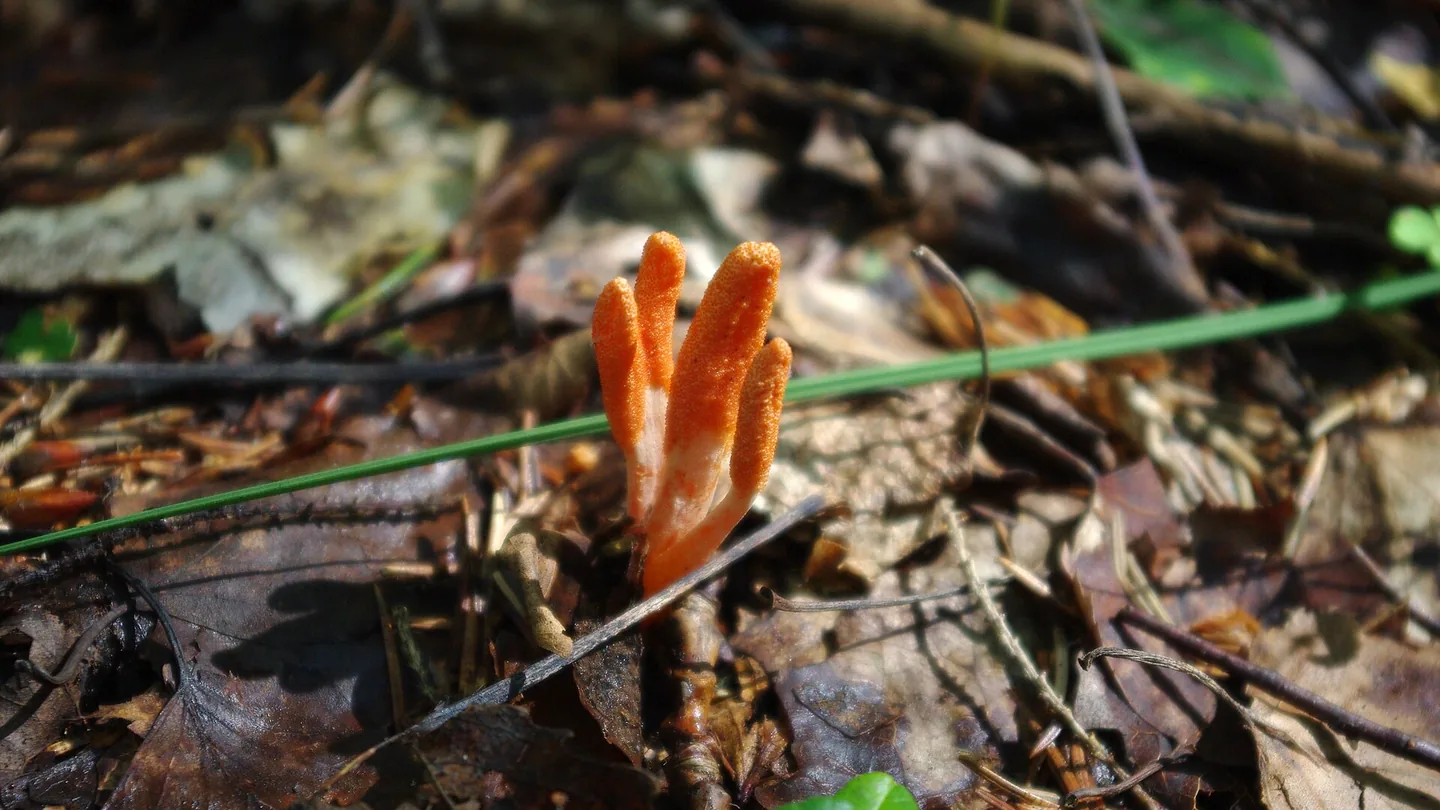
    Lo HC, Hsieh C, Lin FY, et al. (2013). A Systematic Review of the Mysterious Caterpillar Fungus Ophiocordyceps sinensis in Dong-ChongXiaCao ( Dōng Chóng Xià Cǎo) and Related Bioactive Ingredients. Journal of Traditional and Complementary Medicine (Taiwan).

    In plain English: A Taiwanese review of the caterpillar fungus dong chong xia cao (Ophiocordyceps sinensis): its Tibetan and Chinese heritage, very high price, naming confusion with cultivated Cordyceps species and the many lab-reported activities. Most evidence it covers is laboratory or animal work, not human trials.

  • Malaysia / SE Asia

    Tian V, Ramlee F, Hamzah H, et al. (2025). Exploring Sleep and Physical Activity among Young Adults Across Asia: A Systematic Literature Review. Malaysian Journal of Medical Sciences (Malaysia).

    In plain English: A Malaysian systematic review of studies on young adults across Asia; poor sleep quality and short sleep were common, and the authors called for practical steps to improve sleep and promote physical activity.

  • Asia-Pacific

    Tokuda Y, Mori H. (2021). Effect of ingestion of essential amino acids and tea catechins after resistance exercise on the muscle mass, physical performance, and quality of life of healthy older people: A randomized controlled trial. Asia Pacific Journal of Clinical Nutrition (Asia-Pacific regional).

    In plain English: A 24-week open-label randomized trial in 84 healthy Japanese adults aged 65+; twice-weekly resistance exercise plus essential amino acids and tea catechins was associated with gains in muscle mass index, balance and physical quality of life. Exercise was the base of every group; not blinded.

Each record was checked against PubMed, J-STAGE, KoreaScience or the DOI registry on 14–15 November 2026. Translations are Open Leaf’s own; please check the original for exact wording. Not medical advice.

Also from the journal

Other readers, other seasons.