Guides for you

Athletes & Recovery

Train hard. Recover smarter.

For runners, futsal and badminton players, cyclists and weekend competitors. Sleep, soreness, endurance and the botanicals marketed to athletes, with honest evidence ratings and anti-doping common sense.

Written for: Sportsmen and sportswomen, club athletes, marathoners and coaches.

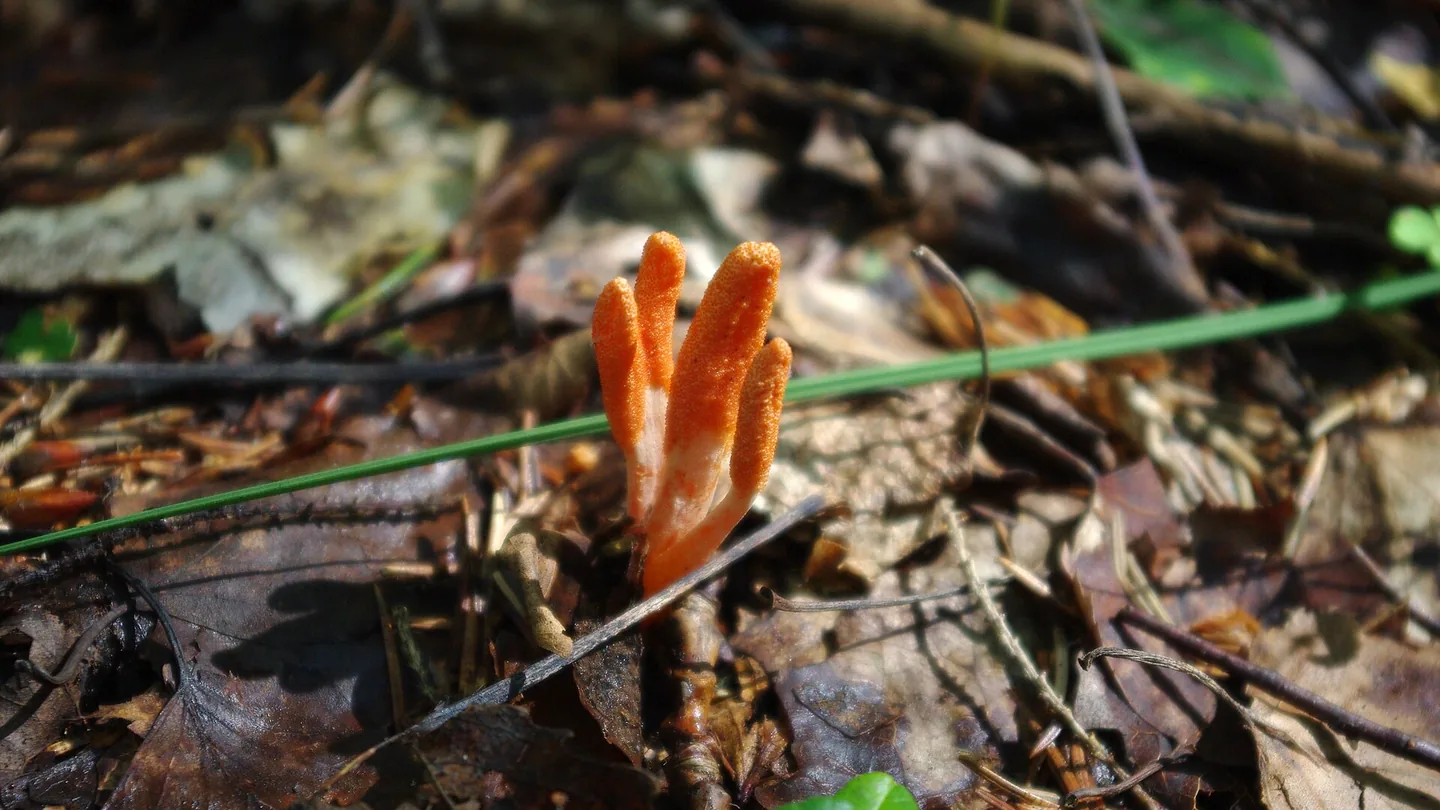
Orange club-shaped Cordyceps militaris fungi growing wild from moss and leaf litter (photo: Antrodia, CC BY-SA 3.0)

Cordyceps · fungusRecovery rituals from mountain, field and teapot

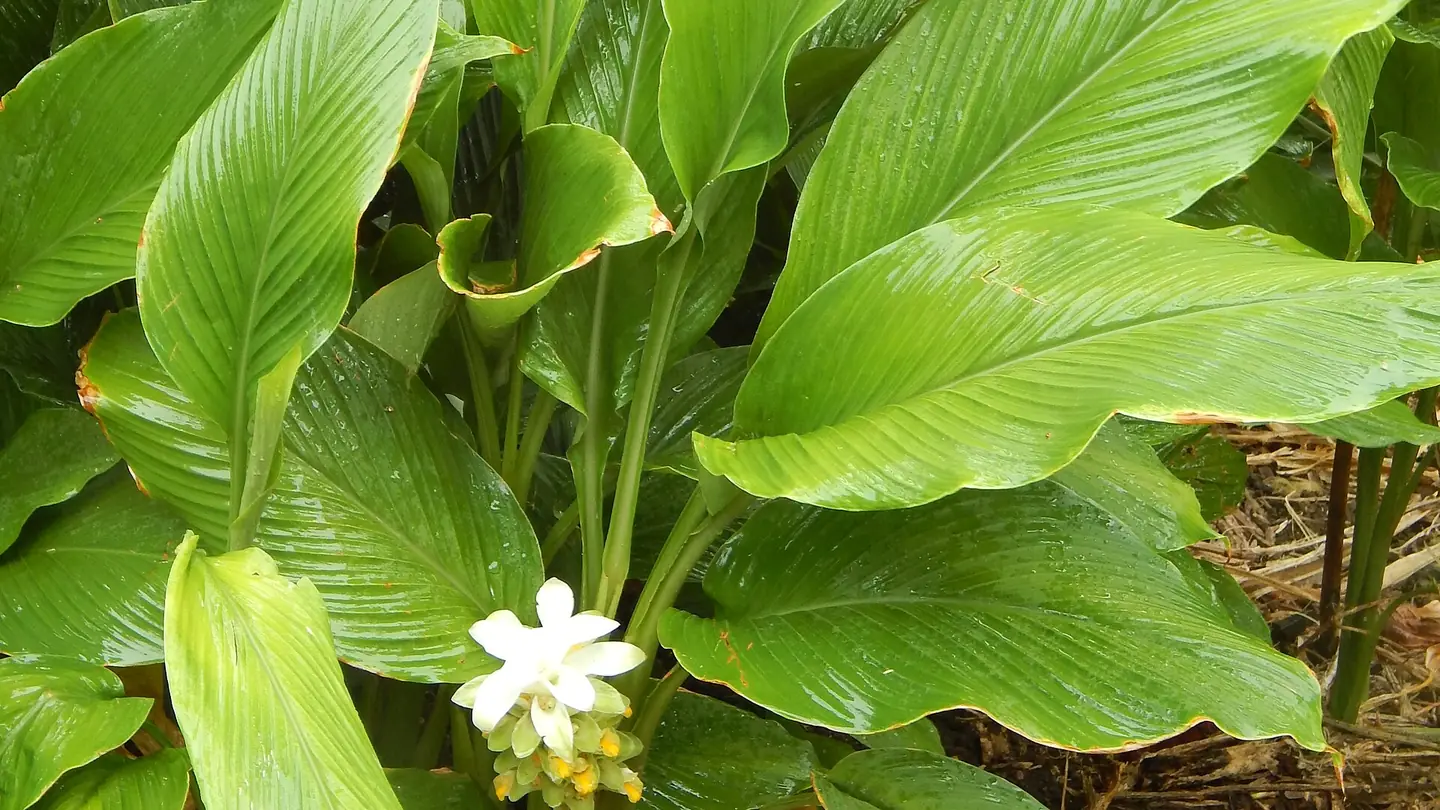
Turmeric plants with broad leaves and a pale flower spike growing outdoors in Maui, Hawaii (photo: Forest and Kim Starr, CC BY 3.0 US)

TurmericRecovery rituals from mountain, field and teapot

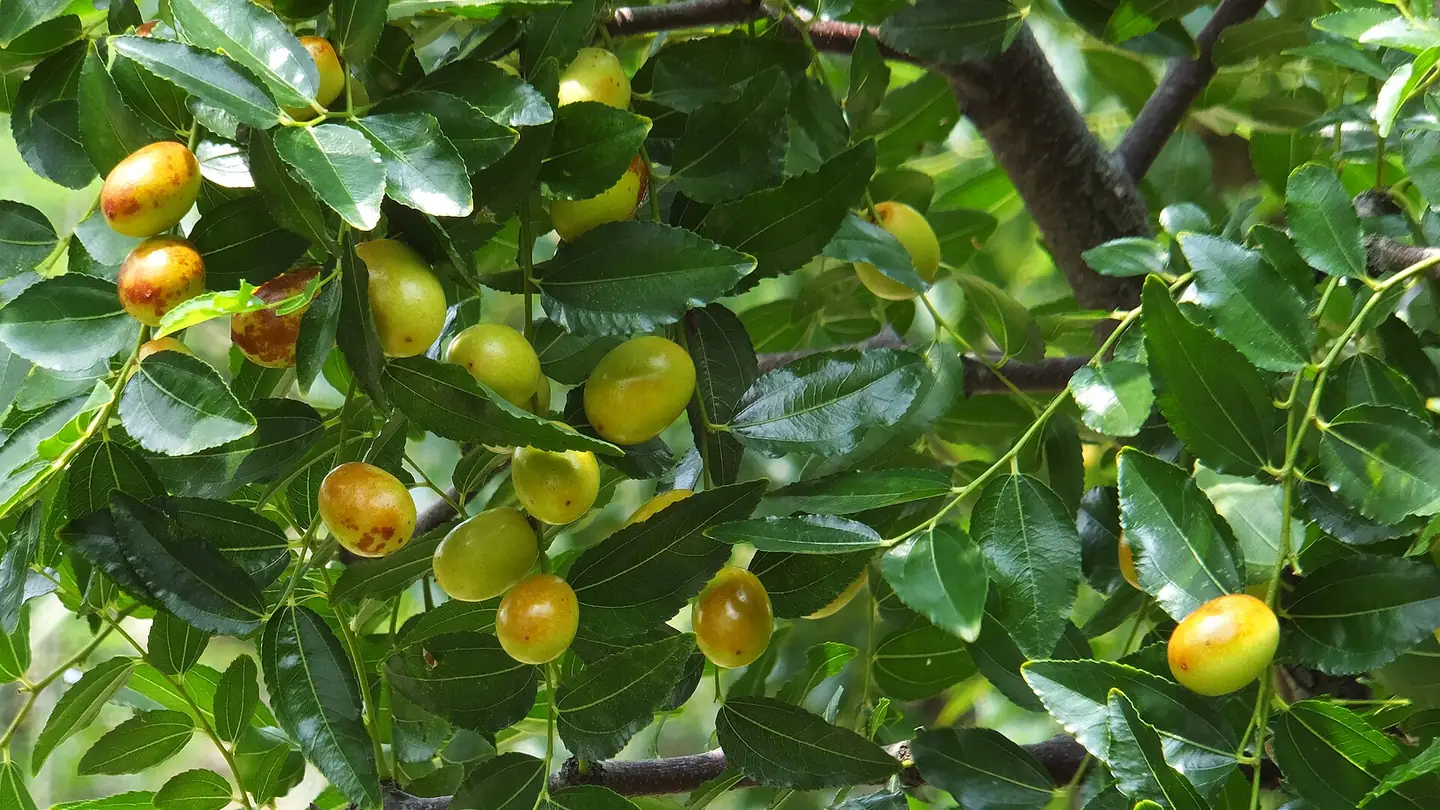
A jujube tree branch with glossy leaves and ripening green-gold dates in Taiwan (photo: lienyuan lee, CC BY 3.0)

Jujube · red dateRecovery rituals from mountain, field and teapot

East meets West guides

Start here.

5 in-depth guides · every one with sources and safety notes
Stress at Work & Life · 5 min read

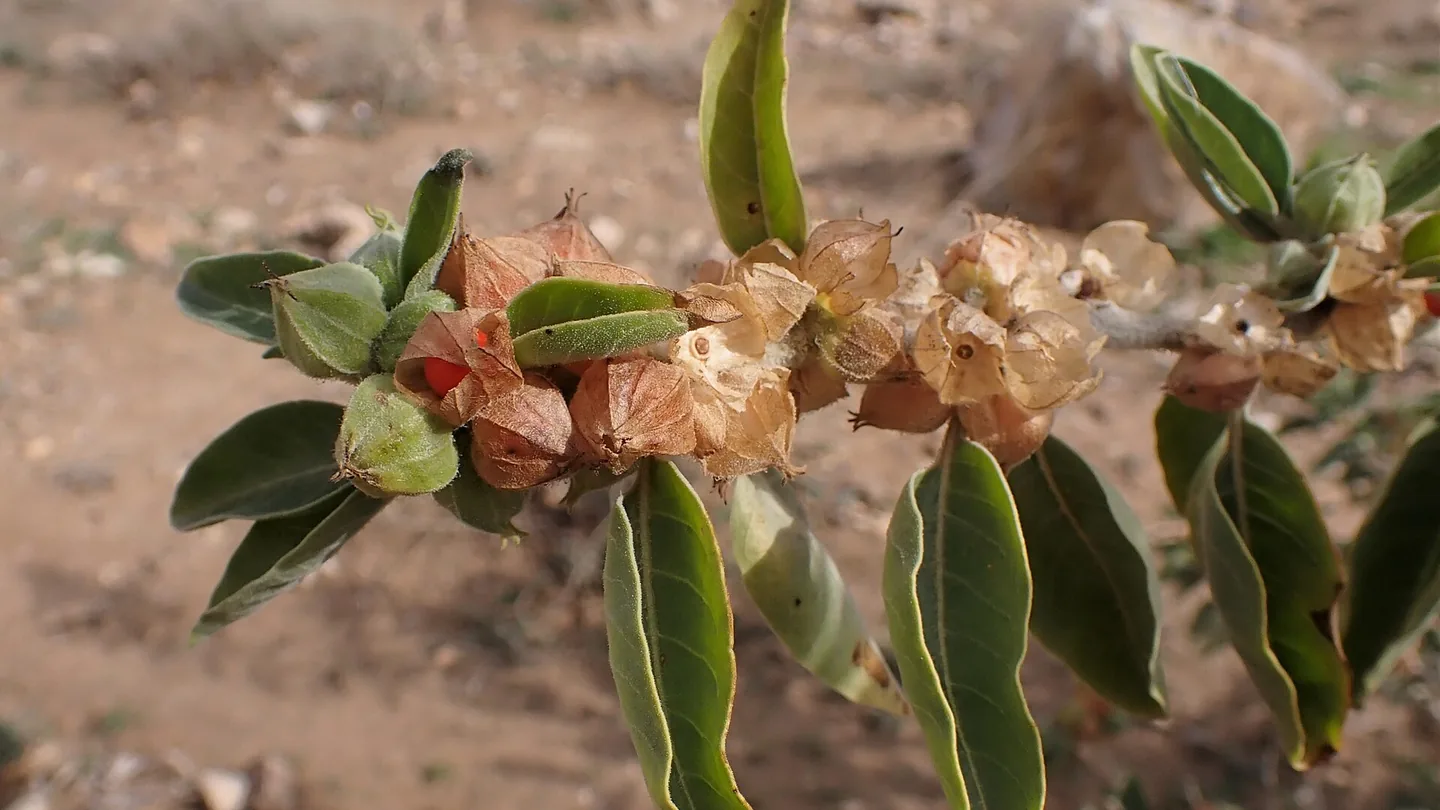
Ashwagandha for work stress and sleep: what trials show, and the safety fine print

Ashwagandha, an Indian Ayurvedic herb, studied for perceived stress and sleep. An honest review of the trials, liver and thyroid cautions, and habits that support calmer days.

Read the guide

East meets West · the research

Research from Asia for Athletes & Recovery

A selection of studies from Japanese, Korean, Malaysian, Chinese and TCM journals behind the guides on this page. Each guide lists its own Asian research in full, with plain-English summaries and the limits of each study.

  • China · TCM

    Lo HC, Hsieh C, Lin FY, et al. (2013). A Systematic Review of the Mysterious Caterpillar Fungus Ophiocordyceps sinensis in Dong-ChongXiaCao ( Dōng Chóng Xià Cǎo) and Related Bioactive Ingredients. Journal of Traditional and Complementary Medicine (Taiwan).

    In plain English: A Taiwanese review of the caterpillar fungus dong chong xia cao (Ophiocordyceps sinensis): its Tibetan and Chinese heritage, very high price, naming confusion with cultivated Cordyceps species and the many lab-reported activities. Most evidence it covers is laboratory or animal work, not human trials.

  • Korea

    Lee NH, Jung HC, Lee S. (2016). Red Ginseng as an Ergogenic Aid: A Systematic Review of Clinical Trials. Journal of Exercise Nutrition & Biochemistry (Korea).

    In plain English: A systematic review of 14 trials (searching English and Korean databases) on red ginseng and exercise; most found no improvement in aerobic or sprint performance, and results for recovery markers were mixed.

  • Japan

    Monma T, Matsui T, Inoue K, et al. (2023). Prevalence and risk factors of poor subjective sleep quality in elite judo athletes. Sleep and Biological Rhythms (Japan).

    In plain English: A questionnaire study of 86 elite Japanese national-team judo athletes; about 4 in 10 reported poor sleep quality, linked with factors such as psychological distress and lifestyle habits. Shows how common poor sleep is even at the top level.

  • Malaysia / SE Asia

    Tian V, Ramlee F, Hamzah H, et al. (2025). Exploring Sleep and Physical Activity among Young Adults Across Asia: A Systematic Literature Review. Malaysian Journal of Medical Sciences (Malaysia).

    In plain English: A Malaysian systematic review of studies on young adults across Asia; poor sleep quality and short sleep were common, and the authors called for practical steps to improve sleep and promote physical activity.

  • India

    Chandrasekhar K, Kapoor J, Anishetty S. (2012). A prospective, randomized double-blind, placebo-controlled study of safety and efficacy of a high-concentration full-spectrum extract of ashwagandha root in reducing stress and anxiety in adults. Indian Journal of Psychological Medicine (India).

    In plain English: A 60-day randomized, double-blind, placebo-controlled trial in 64 adults with a history of chronic stress in Hyderabad; a full-spectrum ashwagandha root extract lowered stress-scale scores and serum cortisol more than placebo, with mild side effects similar in both groups. Single-centre.

  • China · TCM

    Chu CM, Chi CW, Huang CH, et al. (2022). Enhancement of Swimming Endurance by Herbal Supplement M3P. Chinese Journal of Integrative Medicine (China).

    In plain English: A mouse study from Taiwan testing a traditional-style blend (deer antler, cordyceps, rhodiola and ginseng); the highest dose lengthened swimming time to exhaustion in mice. Animal results like this cannot be applied to people.

Each record was checked against PubMed, J-STAGE, KoreaScience or the DOI registry on 14–15 November 2026. Translations are Open Leaf’s own; please check the original for exact wording. Not medical advice.

Also from the journal

Other readers, other seasons.