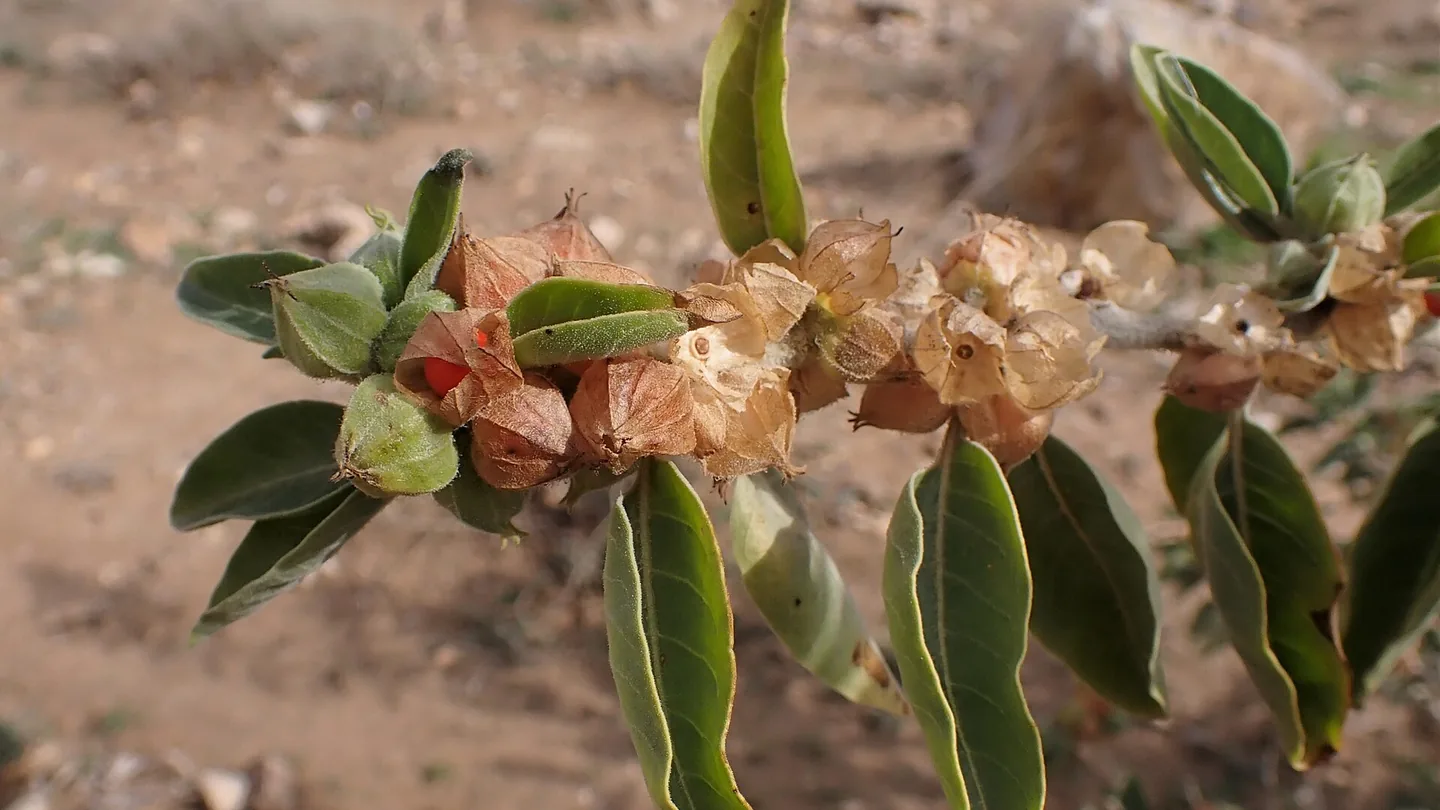
Where ashwagandha comes from
Ashwagandha (Withania somnifera) is not an East Asian herb. It comes from India's Ayurvedic and Unani traditions, where the root has long been used as a rasayana, a rejuvenating tonic. The name is Sanskrit, roughly "smell of a horse", after the scent of the fresh root. The species name somnifera hints at sleep.1
We include it on Open Leaf because Malaysian shelves and online stores often place it right beside ginseng, reishi and cordyceps under the "adaptogen" label. Adaptogen is a loose term for plants said to help the body resist stress in non-specific ways.1 It is a useful idea to understand, but it is a marketing category, not a medical one.
What the research says about stress
Ashwagandha has more human trials than many herbs in this aisle. In a frequently cited randomized, double-blind, placebo-controlled study of 64 adults with high self-reported stress, a root extract taken for 60 days lowered scores on stress questionnaires and reduced serum cortisol compared with placebo. Side effects were mild and similar between groups.2
The NIH Office of Dietary Supplements reviewed this area in 2025. It describes several small, short trials suggesting ashwagandha extracts may reduce perceived stress and anxiety, while noting that studies used different extracts and doses, most lasted 6 to 12 weeks, and many were done in India within a traditional system. That makes it hard to say which product, or how much, might help.1
Strength of evidencemoderate for short-term improvements in self-rated stress in generally healthy adults; low for long-term use.
What the research says about sleep
A 2021 systematic review and meta-analysis of five randomized trials found a small but significant improvement in overall sleep with ashwagandha extract. The effect was clearer in adults with insomnia, at doses of 600 mg a day or more, and with eight weeks or more of use. The authors also said data on serious side effects were limited.3
For people working shifts, it is worth remembering that sleep timing, light exposure and a protected sleep window usually matter far more than any capsule.
And the gym claims?
You may see ashwagandha marketed for muscle and strength. One eight-week trial in young men doing resistance training reported greater gains in strength and muscle size with ashwagandha than with placebo.4 It is a single small study in a narrow group, so we treat it as a lead, not a reason to buy.
East meets West: a calmer evening routine
We like to pair any herbal curiosity with habits that already have strong support.
- A wind-down window. Thirty to sixty minutes with dim light, no work email and the same small routine each night.
- Slow breathing. A few minutes of slow, paced breathing is linked with calmer heart-rate patterns.5
- Meditation, if it suits you. A JAMA Internal Medicine meta-analysis found mindfulness meditation programs produced small to moderate improvements in anxiety and psychological stress.6
- Daylight and movement. Morning light and a daily walk help anchor your body clock, even on a rotating roster.
Safety and interactions
This is where the fine print matters.
- Liver. There are reports of liver injury linked to ashwagandha products, some serious; most people recovered after stopping. Stop and seek care if you notice yellowing skin or eyes, dark urine, itching or unusual tiredness.1
- Thyroid. Ashwagandha may change thyroid hormone levels and might interact with thyroid medicine.1
- Other medicines. It might interact with medicines for blood sugar, blood pressure, sedatives and immunosuppressants.17
- Pregnancy. Some experts advise against use in pregnancy, and regulators in Denmark and France have issued restrictions or warnings.1
- Duration. It appears well tolerated for up to about three months; long-term safety is unknown.1
Talk to your doctor or pharmacist first, especially if you take thyroid medicine, sedatives or any regular prescription, or if you have a liver condition.
A note on social media hype
Short videos often present ashwagandha as a quick fix for burnout, low mood or hormones. That framing goes well beyond what the trials measured. Most studies asked healthy adults to rate their own stress on a questionnaire over six to twelve weeks. A small improvement on a stress scale is meaningful research, but it is not the same as solving a difficult job, a heavy caring role or a mental health condition. If stress is affecting your sleep, appetite or relationships for weeks, a doctor or counsellor is the right first stop.
How to read an ashwagandha label
- Check whether it is root only, or root and leaf. They differ chemically.1
- Look for a stated extract amount and withanolide standardization rather than a vague "proprietary blend".
- Gummies often contain sugar and less extract than capsules; compare the actual milligrams.
- Avoid labels promising to end anxiety, fix sleep or change hormones.
The bottom line
Ashwagandha has some of the better human trial data in the adaptogen aisle for short-term perceived stress and sleep, but the studies are small, products vary, and the liver and thyroid cautions are real. If our nurse is curious, the first step is a chat with her doctor or pharmacist. The first changes are a protected sleep window, a short breathing practice and daylight on her way home.
East meets West · the research
Research from Asia
Studies published in Japanese, Korean, Malaysian, Chinese and TCM journals, read with the same care as our other sources. Some were published in Japanese, Korean, Chinese or Malay; we show the original title and an English translation, and summarise them in plain English. We note small samples, animal studies and company-run trials. These summaries describe what was studied; they are not promises of results for you.
- India
Chandrasekhar K, Kapoor J, Anishetty S. (2012). A prospective, randomized double-blind, placebo-controlled study of safety and efficacy of a high-concentration full-spectrum extract of ashwagandha root in reducing stress and anxiety in adults. Indian Journal of Psychological Medicine (India).
In plain English: A 60-day randomized, double-blind, placebo-controlled trial in 64 adults with a history of chronic stress in Hyderabad; a full-spectrum ashwagandha root extract lowered stress-scale scores and serum cortisol more than placebo, with mild side effects similar in both groups. Single-centre.
- India
Remenapp A, Coyle K, Orange T, et al. (2022). Efficacy of Withania somnifera supplementation on adult's cognition and mood. Journal of Ayurveda and Integrative Medicine (India).
In plain English: A 30-day randomized, placebo-controlled trial in 60 healthy US adults who reported stress; mood and stress questionnaires improved in all groups including placebo, while the ashwagandha groups did better on some computer-based cognitive tests and the 225 mg group showed falling cortisol. One proprietary extract; published in an Indian Ayurveda journal.
- Malaysia / SE Asia
Fadzil NA, Heong WO, Kueh YC, et al. (2021). The Effect of a Mindfulness-Based Intervention on Nurses in Kelantan, Malaysia. Malaysian Journal of Medical Sciences (Malaysia).
In plain English: A before-and-after study of 35 nurses at Hospital Universiti Sains Malaysia in Kelantan; a one-day mindfulness workshop plus monthly group practice was followed by lower perceived stress and anxiety scores. No control group.
- Japan
Hashimoto H, Watanabe T, Suzuki T, Ando Y, Ehira T, Kanazawa M, Koizumi H, Koike J, Tateishi K (2026). アシュワガンダによる遷延性黄疸にフェノバルビタールが著効した薬物性肝障害の1例 [A case of ashwagandha-related liver injury with prolonged jaundice that responded well to phenobarbital]. 日本消化器病学会雑誌 (Japanese Journal of Gastroenterology) 123(2):133–140. Japan.
Japanese Published in Japanese; summary translated by Open Leaf from the Japanese abstract.
In plain English: This is a safety report, not a trial. A 39-year-old man who had taken self-imported ashwagandha for three months developed liver injury with jaundice, which improved with hospital treatment. One case cannot show how common this is. It is still a clear reason to stop and see a doctor if your skin or eyes turn yellow or your urine darkens while you are taking it.
- China · TCM
Wang Y, Yang KL, He CN, Xiao PG (2021). 睡茄——近年来国际上流行的一种药食两用植物 [Withania somnifera (ashwagandha): a food-and-medicine plant that has become popular internationally in recent years]. 中国中药杂志 (China Journal of Chinese Materia Medica) 46(20):5159–5165. China.
Chinese Published in Chinese; summary by Open Leaf from the authors’ English abstract. The Chinese title was checked against China’s DOI registry.
In plain English: This Chinese review introduces ashwagandha, known as “Indian ginseng”, to Chinese readers. It covers the herb’s Ayurvedic history, its main compounds (withanolides), safety studies and research so far. The authors judge its safety to be good overall and note that research and products in China are still scarce. It is an overview, not a new study, and it predates newer liver-safety reports such as the Japanese case on this page.
Each record was checked against PubMed, J-STAGE, KoreaScience or the DOI registry on 14–15 November 2026. Translations are Open Leaf’s own; please check the original for exact wording. Not medical advice.
References
Every source below was checked against PubMed or the publisher’s page on 14 November 2026. Inclusion is not an endorsement of any product.
- NIH Office of Dietary Supplements. Ashwagandha: Is it helpful for stress, anxiety, or sleep? Health Professional Fact Sheet. Official page ↗
- Chandrasekhar K, Kapoor J, Anishetty S. A prospective, randomized double-blind, placebo-controlled study of safety and efficacy of a high-concentration full-spectrum extract of ashwagandha root in reducing stress and anxiety in adults. Indian J Psychol Med. 2012. PubMed ↗ · DOI 10.4103/0253-7176.106022
- Cheah KL, Norhayati MN, Husniati Yaacob L, et al. Effect of Ashwagandha (Withania somnifera) extract on sleep: A systematic review and meta-analysis. PLoS One. 2021. PubMed ↗ · DOI 10.1371/journal.pone.0257843
- Wankhede S, Langade D, Joshi K, et al. Examining the effect of Withania somnifera supplementation on muscle strength and recovery: a randomized controlled trial. J Int Soc Sports Nutr. 2015. PubMed ↗ · DOI 10.1186/s12970-015-0104-9
- Zaccaro A, Piarulli A, Laurino M, et al. How Breath-Control Can Change Your Life: A Systematic Review on Psycho-Physiological Correlates of Slow Breathing. Front Hum Neurosci. 2018. PubMed ↗ · DOI 10.3389/fnhum.2018.00353
- Goyal M, Singh S, Sibinga EM, et al. Meditation programs for psychological stress and well-being: a systematic review and meta-analysis. JAMA Intern Med. 2014. PubMed ↗ · DOI 10.1001/jamainternmed.2013.13018
- National Center for Complementary and Integrative Health (NIH). Ashwagandha: Usefulness and Safety. Official page ↗
Keep reading
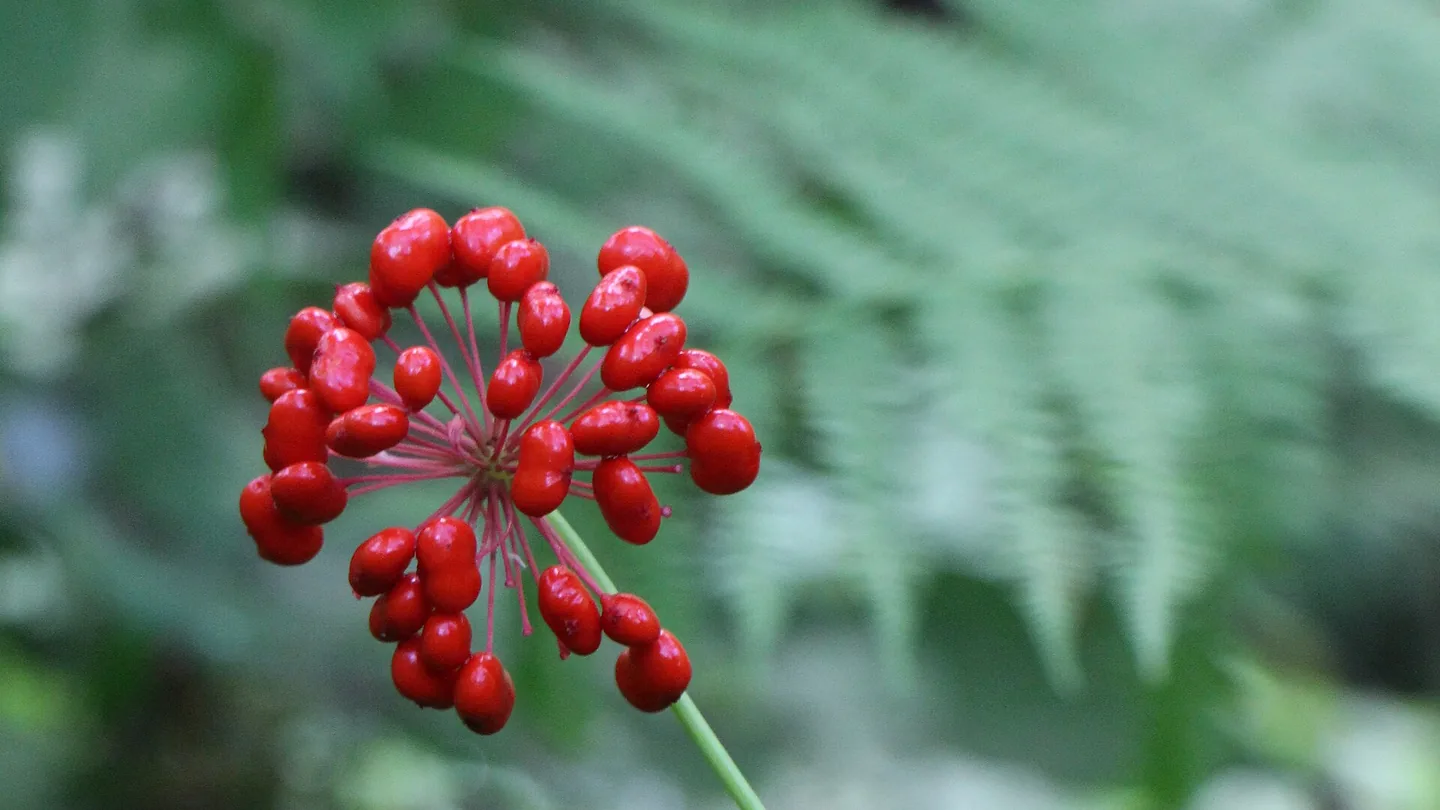
Asian ginseng and the demanding workday: an East-meets-West look
Asian ginseng (Panax ginseng) in Korean and Chinese tradition, what modern trials show about calm and focus, warfarin interactions, and daily habits that matter more.
Read the guide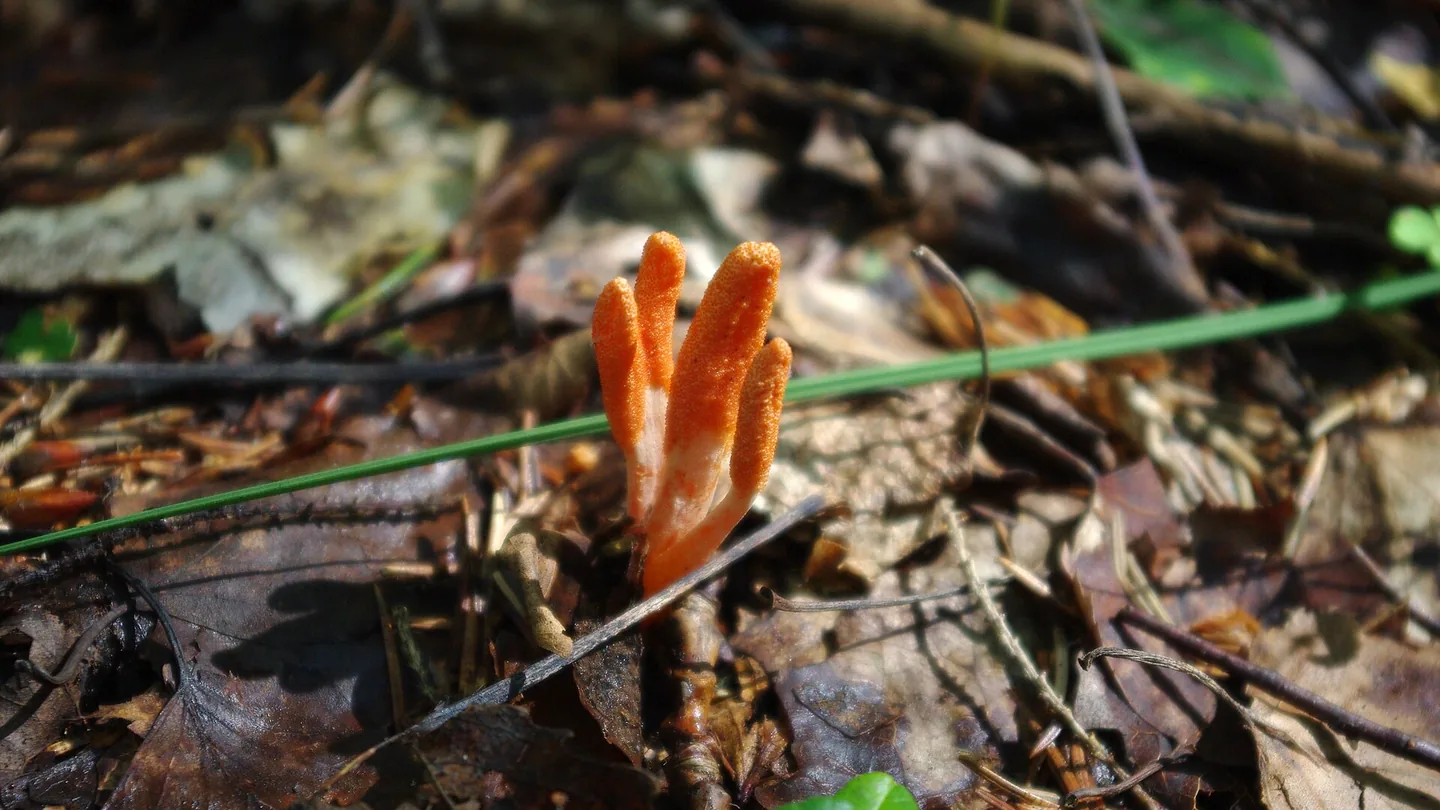
Cordyceps and endurance training: Himalayan legend, mixed lab results
Cordyceps (dong chong xia cao) in Chinese and Tibetan tradition, what exercise trials on VO2max and endurance actually found, bleeding and medicine cautions, and better training basics.
Read the guide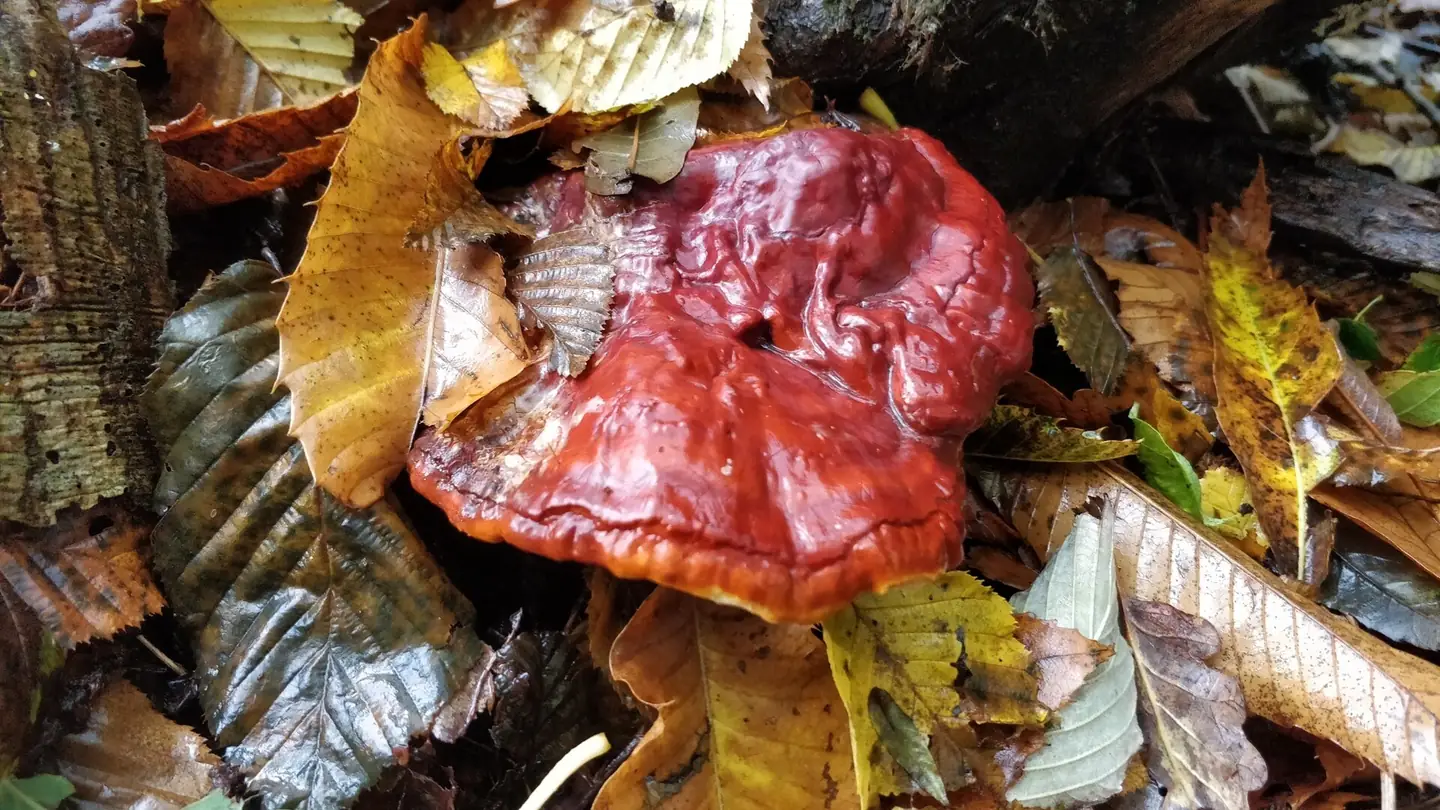
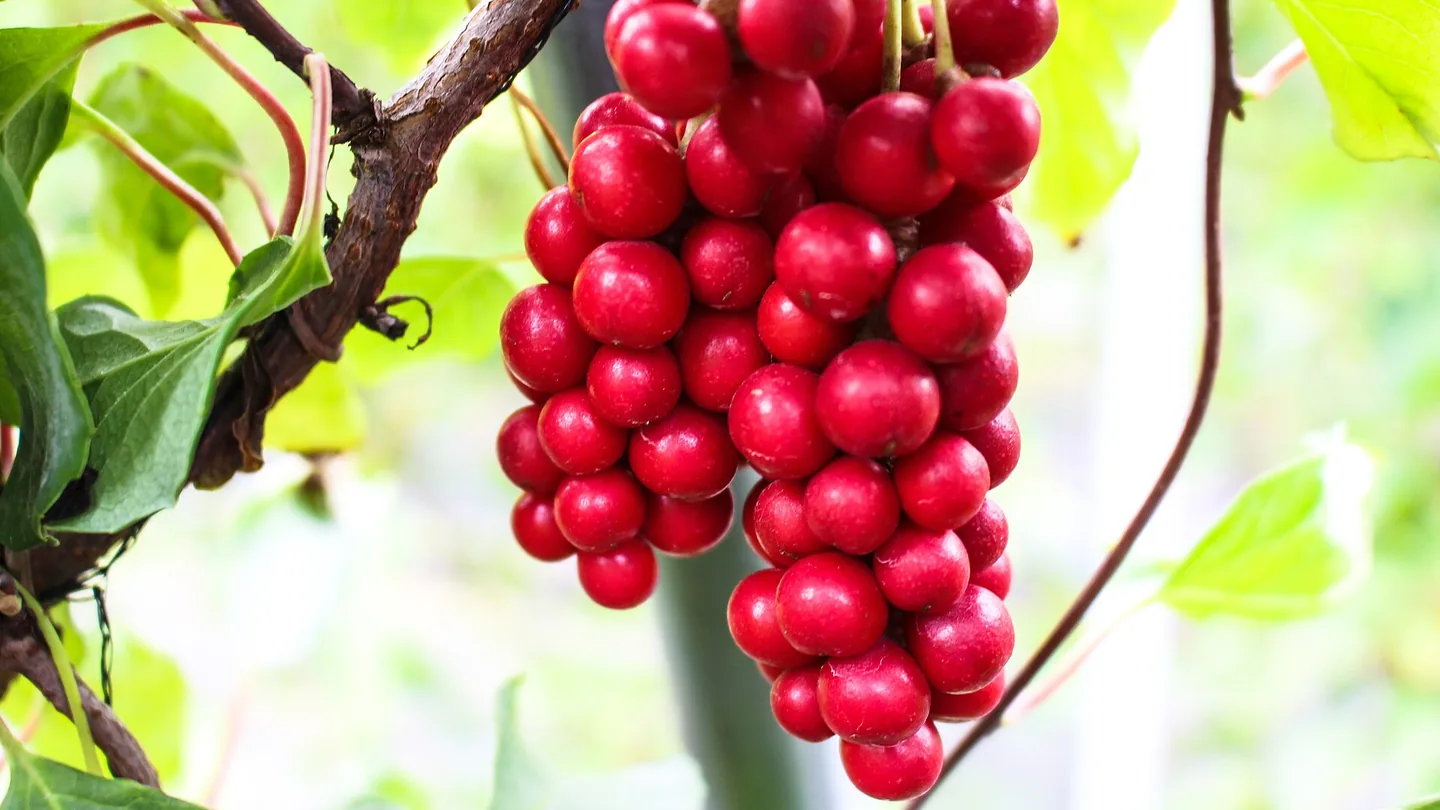
Reishi and schisandra: two classic Chinese botanicals in a modern wind-down ritual
Reishi (lingzhi) and schisandra (wu wei zi) in Chinese wellness tradition, what human research really shows, liver and drug-interaction cautions, and a calmer evening routine.
Read the guide