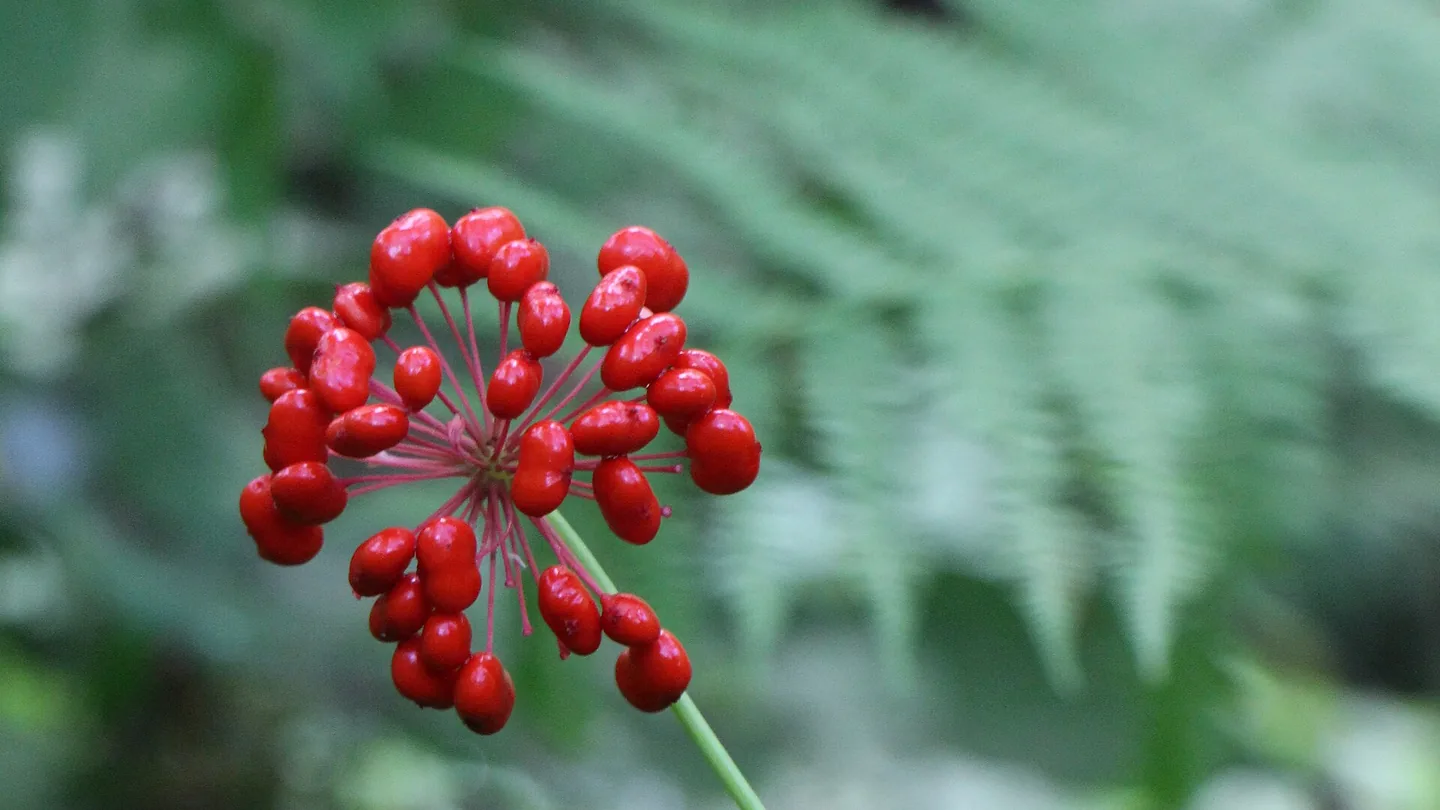
A root with a long memory
Few plants carry as much cultural weight in East Asia as ginseng. In Chinese it is ren shen, "person root", named for the way a mature root can look like a small human figure. In Korea, insam has been cultivated, steamed into red ginseng and traded for centuries, and it still appears in gift boxes at Lunar New Year, in chicken soups and in tonic drinks sold at convenience stores. In traditional wellness language it is described as a root for vitality and steadiness, often given to elders or to people going through a demanding season.
We find that history genuinely interesting, and we also think it deserves an honest modern reading. Tradition tells us how people used a plant and what they valued. It does not, on its own, tell us how much of an effect a capsule will have for a stressed office worker in 2026. That is where clinical research comes in, and where the picture becomes more modest.
A quick note on names: "Asian ginseng" usually means Panax ginseng. American ginseng (Panax quinquefolius) is a related species. "Siberian ginseng" is a different plant altogether. Labels do not always make this clear, so it is worth checking the Latin name.1
What the research says
Researchers have studied Panax ginseng for decades, but the quality of that research varies a lot. A large umbrella review that pulled together dozens of meta-analyses found many reported benefits, yet rated the methodological quality of most of the underlying reviews as low or critically low. Its authors called for better randomized trials before firm conclusions are drawn.2
For everyday focus and mood, the evidence is small and mixed. In one placebo-controlled crossover study of 30 healthy young adults, a 400 mg dose of a standardized extract improved self-rated calmness and some mental arithmetic performance, while a 200 mg dose slowed one arithmetic task. The effects were short-term and specific to certain tests, not a general boost.3
A systematic review on ginseng and tiredness described "modest" evidence and a low rate of adverse events. Importantly, most of those studies involved people with chronic illness, which is outside the scope of this guide.4 We do not suggest ginseng for unexplained or persistent tiredness; that deserves a proper check-up.
The US National Center for Complementary and Integrative Health summarizes it plainly: there is not enough high-quality evidence to support most claims made for Asian ginseng.1
Strength of evidencelimited to modest for short-term calmness and certain thinking tasks in healthy adults; low-quality overall. Promising, not proven.
The West side of the table: what reliably helps a heavy week
If our project manager asked us where to spend effort first, we would not start with a root. We would start with the levers that have far stronger evidence behind them.
- Protect sleep like a meeting. A consistent wake-up time and a wind-down window do more for afternoon focus than most products.
- Move between tasks. Even a ten-minute brisk walk after lunch counts toward the World Health Organization's weekly activity guidance and breaks up long sitting.5
- Use slow breathing as a reset. Slow, paced breathing at around six breaths per minute is linked with calmer physiological markers in healthy people.6 Our guide to breathing and forest walks covers this in detail.
- Eat a real lunch. A meal with protein, vegetables and slow carbohydrates usually beats a sugary drink for the 3 p.m. slump.
East meets West, in our view, looks like this: keep a ginseng tea or soup as a warm cultural ritual if you enjoy it, while the heavy lifting comes from sleep, movement and breaks.
Safety and interactions
This is the part of the ginseng story we most want readers to remember.
- Warfarin. In a randomized controlled trial in healthy volunteers, American ginseng reduced the effect of warfarin, lowering the INR measure used to monitor blood thinning. The authors advised doctors to ask patients about ginseng use.7 Reviews of Chinese herbs and warfarin, including one in the Singapore Medical Journal, also flag ginseng among herbs to discuss with your doctor.8
- Blood sugar and other medicines. NCCIH notes that Asian ginseng might lower blood sugar and interfere with blood clotting, and may worsen autoimmune conditions.1 If you take medicines for blood sugar, blood pressure, mood or blood thinning, ask first.
- Sleep. Trouble sleeping is the most commonly reported side effect, so a morning dose is wiser than an evening one.1
- Pregnancy, breastfeeding and children. Some experts recommend against use.1
Talk to your doctor or pharmacist before adding ginseng, especially if you take any regular medicine, have surgery planned, or are pregnant.
How to read a ginseng label
- Look for the Latin name (Panax ginseng or Panax quinquefolius) and the plant part, usually root.
- Note whether the extract is standardized, for example to a stated percentage of ginsenosides, and the amount per serving.
- Red ginseng is steamed and dried; white ginseng is simply dried. They are prepared differently, so compare like with like.
- Be cautious about any label promising stamina, "energy", or the end of stress. Those are marketing promises, not findings.
The bottom line
Asian ginseng is a respected root with a deep place in Chinese and Korean wellness tradition, and early studies on calmness and focus are intriguing. The modern evidence is still thin, and its interaction with warfarin is real. Enjoy it as a ritual if you like it, check with your doctor if you take medicine, and let sleep, movement and breaks carry most of the load on a demanding week.
East meets West · the research
Research from Asia
Studies published in Japanese, Korean, Malaysian, Chinese and TCM journals, read with the same care as our other sources. Some were published in Japanese, Korean, Chinese or Malay; we show the original title and an English translation, and summarise them in plain English. We note small samples, animal studies and company-run trials. These summaries describe what was studied; they are not promises of results for you.
- Korea
Yoon J, Park B, Hong KW, et al. (2023). The effects of Korean Red Ginseng on stress-related neurotransmitters and gene expression: A randomized, double-blind, placebo-controlled trial. Journal of Ginseng Research (Korea).
In plain English: An 8-week randomized, placebo-controlled pilot trial in about 90 healthy Korean men who reported stress; the red ginseng group showed some differences in stress-related blood markers such as epinephrine, but this was a small, biomarker-focused study, not proof of feeling calmer.
- Korea
Lee YG, Hong W, Cho YM, et al. (2025). Anti-fatigue effects of Korean Red Ginseng extract in healthy Japanese adults: A randomized, double-blind, placebo-controlled study. Journal of Ginseng Research (Korea).
In plain English: A 3-week randomized, placebo-controlled trial in 46 healthy middle-aged Japanese adults; the red ginseng group reported lower tiredness scores on a rating scale, with no difference in cortisol or lactate and no safety concerns. Small and short.
- Korea
Zhang L, Chen X, Cheng Y, et al. (2019). Safety and antifatigue effect of Korean Red Ginseng: a randomized, double-blind, and placebo-controlled clinical trial. Journal of Ginseng Research (Korea).
In plain English: A 4-week randomized, placebo-controlled trial in 180 Chinese adults that tested the traditional worry that red ginseng causes internal "heat" (fireness); TCM heat-symptom scores did not change versus placebo and no clinically important safety problems were seen. A neat example of testing a traditional idea with modern methods.
- Korea
Yoon SJ, Kim KH, Kim CJ, Park HC, Kang KH, Kim MJ, Kang SM, Kwak UH, Kim HJ (2008). 홍삼 섭취가 유.무산소성 운동수행능력과 중추 및 말초피로에 미치는 영향 [Effects of red ginseng intake on aerobic and anaerobic exercise performance and on central and peripheral fatigue]. 고려인삼학회지 (Journal of Ginseng Research) 32(3):210–219. South Korea.
Korean Published in Korean; summary translated by Open Leaf from the Korean abstract.
In plain English: Thirty men were split into three groups for 8 weeks: endurance training with red ginseng, training with a placebo, or red ginseng alone. Twenty-four finished. Aerobic fitness (VO2max) and blood amino-acid markers did not change significantly in any group. The authors saw small upward trends and suggest that ginseng plus training may help with tiredness, but read that cautiously because the main measures did not differ statistically.
Each record was checked against PubMed, J-STAGE, KoreaScience or the DOI registry on 14–15 November 2026. Translations are Open Leaf’s own; please check the original for exact wording. Not medical advice.
References
Every source below was checked against PubMed or the publisher’s page on 14 November 2026. Inclusion is not an endorsement of any product.
- National Center for Complementary and Integrative Health (NIH). Asian Ginseng: Usefulness and Safety. Official page ↗
- Li Z, Wang Y, Xu Q, et al. Ginseng and health outcomes: an umbrella review. Front Pharmacol. 2023. PubMed ↗ · DOI 10.3389/fphar.2023.1069268
- Reay JL, Scholey AB, Kennedy DO. Panax ginseng (G115) improves aspects of working memory performance and subjective ratings of calmness in healthy young adults. Hum Psychopharmacol. 2010. PubMed ↗ · DOI 10.1002/hup.1138
- Arring NM, Millstine D, Marks LA, et al. Ginseng as a Treatment for Fatigue: A Systematic Review. J Altern Complement Med. 2018. PubMed ↗ · DOI 10.1089/acm.2017.0361
- Bull FC, Al-Ansari SS, Biddle S, et al. World Health Organization 2020 guidelines on physical activity and sedentary behaviour. Br J Sports Med. 2020. PubMed ↗ · DOI 10.1136/bjsports-2020-102955
- Zaccaro A, Piarulli A, Laurino M, et al. How Breath-Control Can Change Your Life: A Systematic Review on Psycho-Physiological Correlates of Slow Breathing. Front Hum Neurosci. 2018. PubMed ↗ · DOI 10.3389/fnhum.2018.00353
- Yuan CS, Wei G, Dey L, et al. Brief communication: American ginseng reduces warfarin's effect in healthy patients: a randomized, controlled Trial. Ann Intern Med. 2004. PubMed ↗ · DOI 10.7326/0003-4819-141-1-200407060-00011
- Chua YT, Ang XL, Zhong XM, et al. Interaction between warfarin and Chinese herbal medicines. Singapore Med J. 2015. PubMed ↗ · DOI 10.11622/smedj.2015004
Keep reading
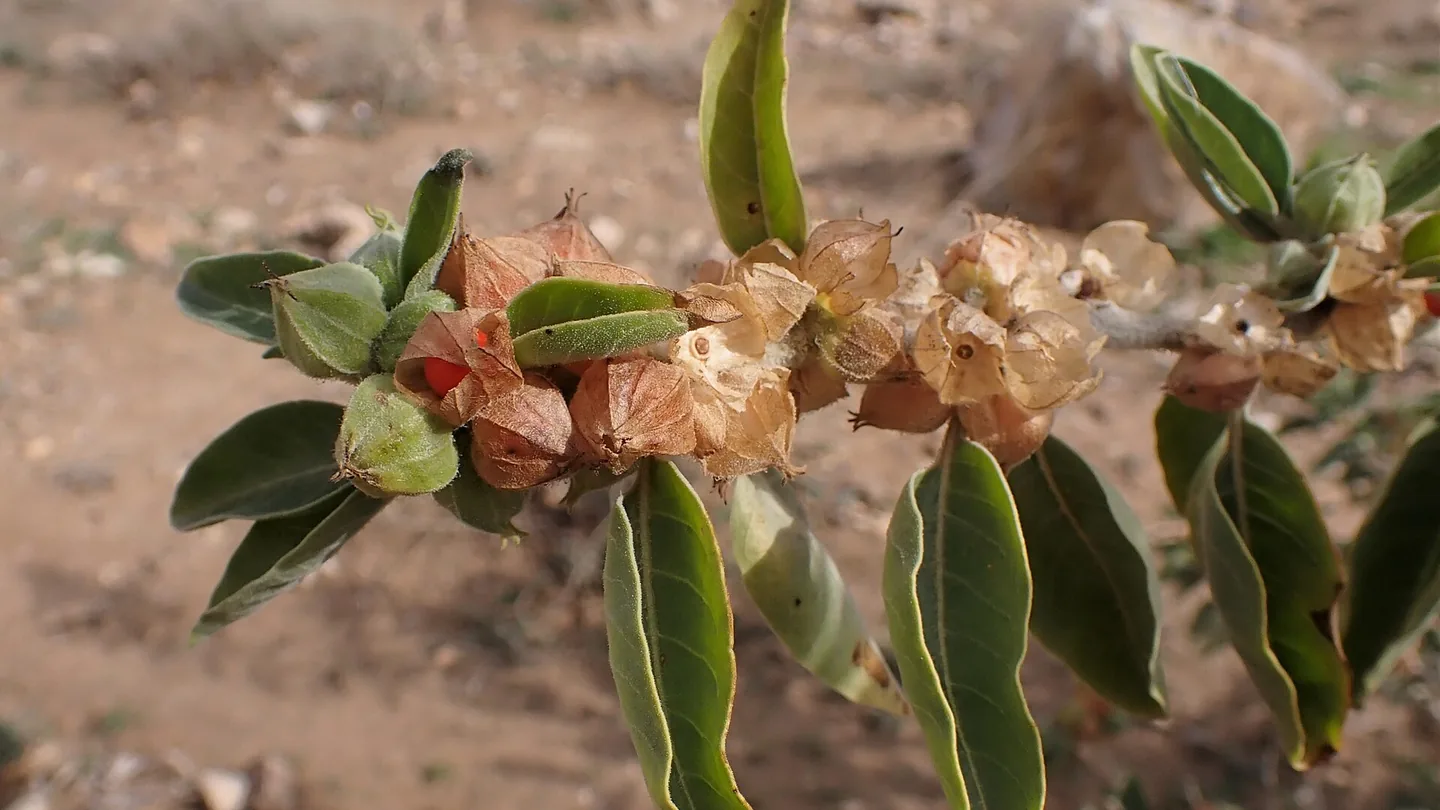
Ashwagandha for work stress and sleep: what trials show, and the safety fine print
Ashwagandha, an Indian Ayurvedic herb, studied for perceived stress and sleep. An honest review of the trials, liver and thyroid cautions, and habits that support calmer days.
Read the guide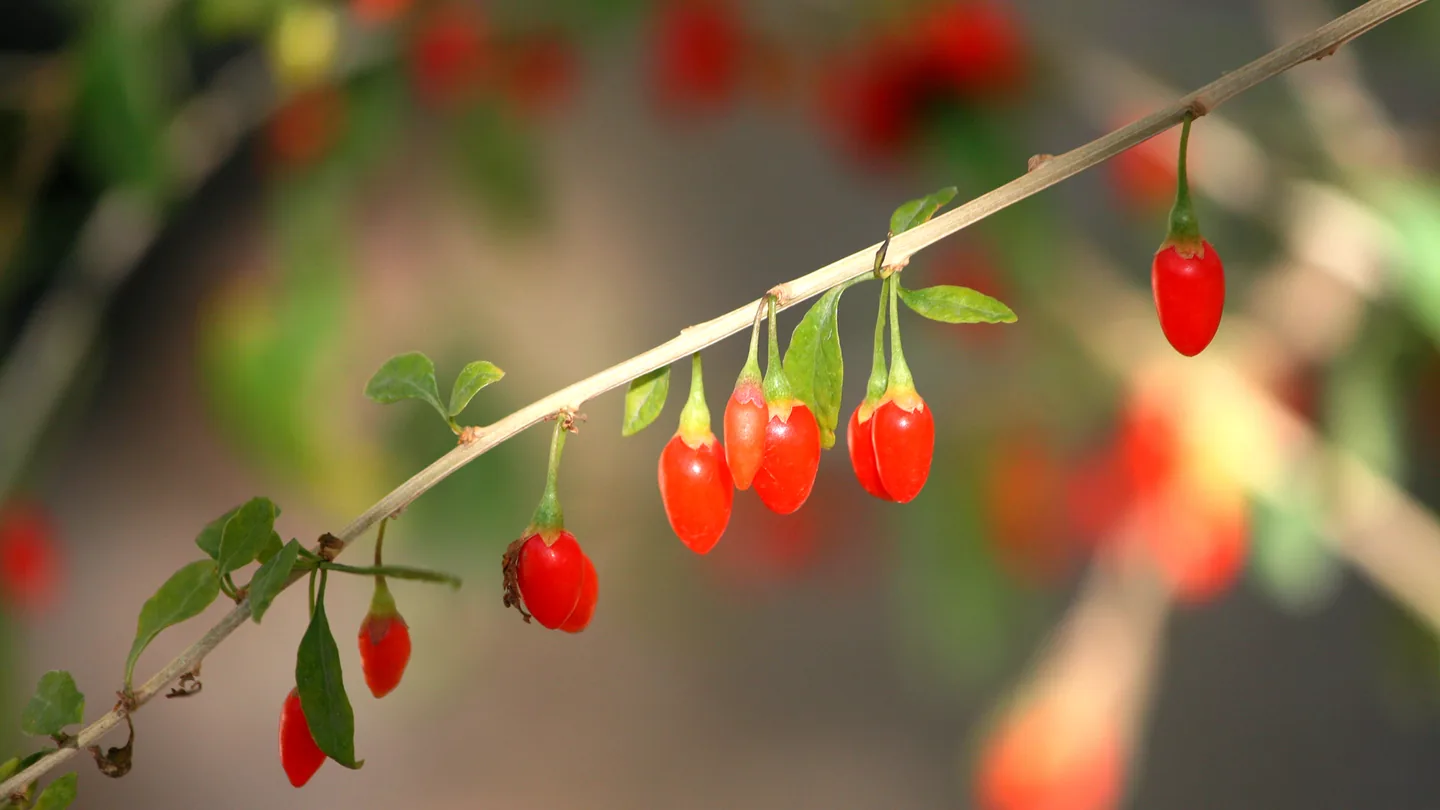
Goji berries for the eyes? A careful look at gou qi zi in healthy aging
Goji (gou qi zi) in Chinese kitchens and tradition, what a 90-day trial in older adults measured, the warfarin interaction you should know, and everyday eye-care habits.
Read the guide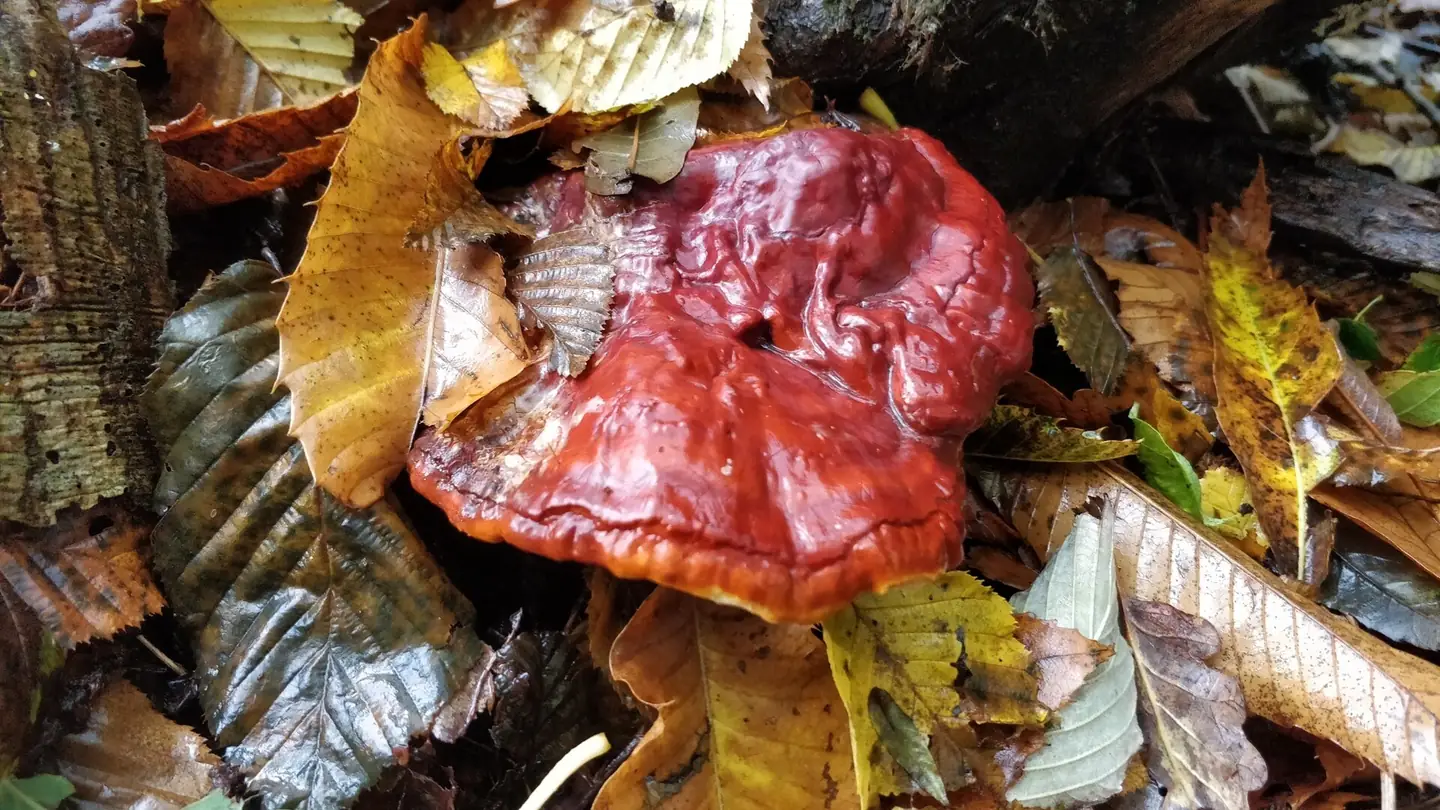
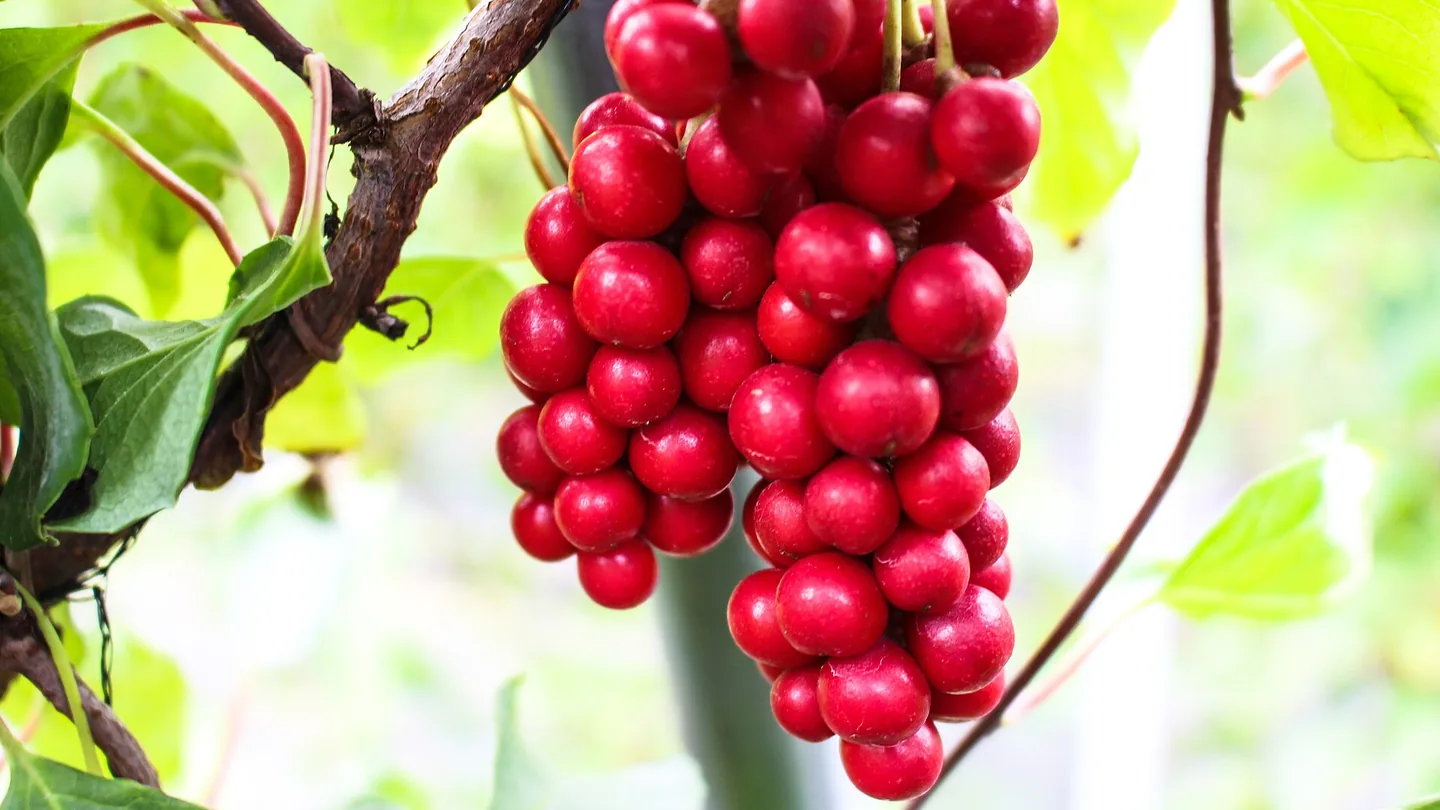
Reishi and schisandra: two classic Chinese botanicals in a modern wind-down ritual
Reishi (lingzhi) and schisandra (wu wei zi) in Chinese wellness tradition, what human research really shows, liver and drug-interaction cautions, and a calmer evening routine.
Read the guide